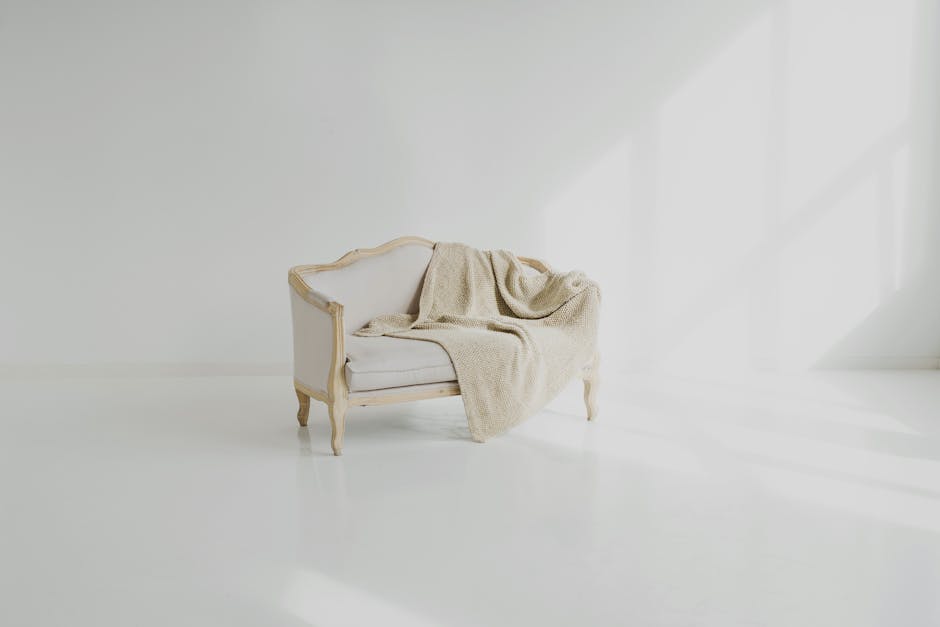
Nightingale Lane upholstery cleaning for SW12 homes
If you live near Nightingale Lane and your sofa, armchair, or dining chairs are starting to look a bit tired, you are not alone. Everyday life leaves a mark: tea spillages, pet hair, city dust, muddy fingerprints, and the slow build-up of oils from regular use. Nightingale Lane upholstery cleaning for SW12 homes is about more than making fabric look brighter. Done properly, it helps protect the material, improves comfort, and gives a room that fresher feel you notice the second you sit down. And yes, sometimes it is the difference between "we should probably sort that" and "why didn't we do this sooner?"
This guide breaks down what upholstery cleaning involves, how the process works in a London home, what benefits you can realistically expect, and the mistakes worth avoiding. It also covers when professional cleaning makes sense, how to prepare, and how to judge whether a method suits your furniture. If you are comparing options, it may also help to browse related services like upholstery cleaning, sofa cleaning, and deep cleaning for a fuller picture of what a proper home refresh can involve.
Table of Contents
- Why Nightingale Lane upholstery cleaning for SW12 homes Matters
- How Nightingale Lane upholstery cleaning for SW12 homes Works
- Key Benefits and Practical Advantages
- Who This Is For and When It Makes Sense
- Step-by-Step Guidance
- Expert Tips for Better Results
- Common Mistakes to Avoid
- Tools, Resources and Recommendations
- Law, Compliance, Standards, or Best Practice
- Options, Methods, or Comparison Table
- Case Study or Real-World Example
- Practical Checklist
- Conclusion
- Frequently Asked Questions
Why Nightingale Lane upholstery cleaning for SW12 homes Matters
Upholstery takes a surprising amount of punishment. In many SW12 homes, furniture sits near busy entrances, family living spaces, or window bays where daily life happens in full view. Fabric and leather both collect more than dirt. They trap dust, body oils, pollen, crumbs, and odours that cling stubbornly over time. That is why regular upholstery care is not a luxury extra; it is part of keeping a home pleasant to live in.
Nightingale Lane has a particular sort of rhythm to it. Homes here often balance character, family routines, and a fair bit of coming and going. That means furniture can show wear faster than people expect. You might not notice the change week to week, but one day the sofa looks a shade darker, the armrest feels greasy, and the fabric has lost its lift. It happens gradually. Rather sneaky, really.
There is also a practical side. Cleaning upholstery properly can help delay replacement, which matters because a decent sofa or chair is expensive to replace and annoying to dispose of. It can also reduce that lingering stale smell that vacuuming alone never quite removes. If you are already planning a wider home refresh, it often pairs well with domestic cleaning or house cleaning, especially when dust and general buildup are part of the problem.
Expert summary: the best upholstery cleaning is not just about stain removal. It is about choosing the right method for the fabric, controlling moisture, protecting the fibres, and leaving the item genuinely usable again rather than merely damp and hopeful.
That last part matters. A lot. People often want a quick visual improvement, but the real goal is to clean safely and sensibly so the piece keeps its shape, texture, and colour.
How Nightingale Lane upholstery cleaning for SW12 homes Works
Good upholstery cleaning starts with identification, not equipment. First, the cleaner needs to know what the fabric is made from, how it is constructed, and whether it has any specific care instructions. Cotton blends, synthetic fibres, wool mixes, velvet-style finishes, and leather all behave differently. Treat them the same and you can make things worse in a hurry.
The process usually follows a few broad stages. A careful technician will inspect the item, test a small hidden area, remove loose dust and debris, apply the right cleaning solution, agitate gently where needed, and then extract or wipe away the soil. Drying time depends on the material and method used. Some fabrics can be ready faster than others, and rooms with limited airflow will naturally take longer. That is just the reality of it.
In homes around Nightingale Lane, access can be straightforward or a bit tight depending on the property layout. Period conversions, narrow staircases, or furniture that is awkwardly placed near radiators can make prep a small job in itself. A professional approach should factor that in rather than rushing through. If the clean is part of a wider property reset, some homeowners also combine it with one-off cleaning or home cleaners to handle surfaces, floors, and soft furnishings in one visit.
There are a few common methods you may hear about:
- Hot water extraction: often used on suitable synthetic fabrics and some durable upholstery, using moisture and suction to lift embedded soil.
- Low-moisture or dry foam cleaning: useful where a gentler, quicker-drying approach is needed.
- Hand cleaning and specialist spot treatment: best for delicate items, small marks, or sections that need targeted care.
- Leather cleaning and conditioning: a different process altogether, usually involving cleaning agents designed to protect the finish.
Which method is best? It depends on the item, the soil level, the stain type, and how much moisture the fabric can safely handle. There is no honest one-size-fits-all answer, and anyone pretending otherwise is probably oversimplifying.
Key Benefits and Practical Advantages
There are obvious benefits to clean upholstery, and a few subtle ones too. The visible improvement is the one most people expect: brighter fabric, fresher colour, and a cleaner overall room. But the practical gains often matter more in day-to-day life.
- Improved appearance: tired-looking furniture can suddenly feel intentional again, which changes the whole room.
- Better hygiene: dust, crumbs, and body oils are reduced rather than just moved around.
- Odour control: food smells, pet odours, and general stale scents often soften noticeably.
- Fabric care: regular cleaning can help fibres last longer by preventing soil from grinding in.
- More comfortable living: sitting on a clean sofa simply feels better. It really does.
- Better hosting confidence: if friends drop by unexpectedly, you are not mentally apologising for the armchair.
There is also a timing advantage. Small spills and fresh marks are generally easier to deal with than old, set-in staining. Acting sooner can reduce the need for stronger chemicals or repeated treatment. For households with children or pets, regular upholstery care can be part of a broader routine alongside rug cleaning and carpet cleaning, which helps the whole home feel more consistent.
One more practical benefit that is easy to overlook: upholstery cleaning often reveals the true condition of the fabric. Once surface dirt is removed, you can see whether the item needs repair, re-covering, or just a better maintenance routine. That clarity is useful. No guesswork.
Who This Is For and When It Makes Sense
Not every home needs upholstery cleaning at the same frequency, and not every piece needs the same treatment. The right timing depends on how the furniture is used and what it has been exposed to. A family sofa in the front room will usually need attention sooner than a spare chair in a low-traffic room. That is normal.
This service makes particular sense for:
- family homes with children, pets, or frequent guests
- households dealing with visible marks, spills, or odours
- people moving into a new property and wanting a fresher start
- landlords or tenants preparing soft furnishings between occupiers
- homeowners who want to extend the life of quality furniture
- anyone sensitive to dust build-up in soft furnishings
It also makes sense after certain events. Maybe the heating has been on for weeks and the room feels stuffy. Maybe a radiator leak has left a damp smell in the corner of the sofa. Maybe the dining chairs have picked up fingerprints from everyday use and are quietly looking grim. Truth be told, most upholstery problems are boring little accumulations rather than dramatic disasters.
If the issue is part of a broader clean-up after decorating or renovation, it can be sensible to look at after builders cleaning. Dust from work on skirting boards, walls, or ceilings tends to settle into fabric more easily than people think.
Step-by-Step Guidance
If you are booking or planning Nightingale Lane upholstery cleaning for SW12 homes, it helps to know what a sensible process looks like. That way you can spot a well-run job and avoid rushed work. Here is the sequence we would expect in a careful clean.
- Identify the fabric and item type. This is the foundation. A velvet sofa is not treated like a synthetic office chair, obviously.
- Check for existing damage. Tears, loose seams, sun-fading, and weakened stitching should be noted before cleaning begins.
- Vacuum thoroughly. Dry soil should be removed first so it does not turn into muddy residue once cleaning begins.
- Test in a hidden area. This checks how the fabric reacts to the chosen solution and moisture level.
- Treat stains selectively. One mark may need a different approach from another. Red wine, grease, ink, and pet accidents all behave differently.
- Clean the full item evenly. Spot-only cleaning can leave patchy results and visible tide marks.
- Extract or wipe carefully. Removing solution and suspended soil is a big part of the job, not an afterthought.
- Dry with proper airflow. Windows open a little, heating moderated, and furniture spaced where possible. Patience helps here.
- Inspect once dry. Good cleaning should be assessed after drying, not only while damp.
A small but important detail: if a cleaner skips the testing stage, that is a warning sign. Not always a disaster, but definitely not ideal. The same goes for any operator who promises miracles without asking about fabric type. In upholstery care, caution is a feature, not a flaw.
Expert Tips for Better Results
After enough experience with domestic upholstery, a few patterns become very clear. The first is that preparation matters more than people expect. The second is that the fastest method is rarely the best method. And the third? People often wait too long before asking for help.
Here are some practical tips that genuinely improve results:
- Vacuum regularly between professional cleans. Loose grit wears fibres down over time.
- Deal with spills gently. Blot, do not scrub. Scrubbing pushes the mark deeper and roughs up the pile.
- Rotate cushions if possible. Even wear means cleaner-looking furniture for longer.
- Keep food and drink away from absorbent fabrics where sensible. Not always realistic, but worth trying.
- Use the right ventilation after cleaning. Drying is part of the clean, not a separate inconvenience.
- Ask for fabric-specific treatment. Especially with delicate weaves or mixed materials.
If you are maintaining a whole property rather than a single item, a coordinated approach is often better. For example, an upholstery clean alongside professional cleaning support and deep cleaning can make the home feel genuinely reset instead of just partly improved.
One slight human truth: sometimes the best advice is simply not to poke at the stain for twenty minutes with whatever bottle is under the sink. We have all been there. The stain gets bigger, the fabric gets wetter, and somehow the room starts smelling of old lemon cleaner. Not ideal.
Common Mistakes to Avoid
Upholstery is forgiving in some ways and annoyingly sensitive in others. The mistakes people make tend to follow the same pattern: too much moisture, too much force, or too much confidence in a random household product. These are the ones worth avoiding.
- Over-wetting the fabric: this can lead to long drying times, water rings, or backing damage.
- Scrubbing stains aggressively: friction can distort the weave and spread the mark.
- Using the wrong cleaner: some products bleach, stain, or leave residues that attract more dirt.
- Ignoring fabric labels or manufacturer guidance: care instructions exist for a reason.
- Cleaning only the visible spot: this may leave a halo or patchy finish.
- Forgetting to dry properly: trapped dampness can create odours or a musty feel.
Another common issue is expecting a stained old piece to look brand new after one visit. Sometimes it will look dramatically better. Sometimes it will look cleaner, fresher, and very respectable, but not magically untouched. That is the honest version. Better to know upfront than be disappointed later.
For homes that also need other fabric or hard-surface work, a broader schedule that includes cleaners, one-off cleaning, or even window cleaning can help avoid doing the same prep twice.
Tools, Resources and Recommendations
You do not need a van full of gear to understand good upholstery cleaning, but it does help to know what tools and products are usually involved. This makes it easier to ask sensible questions and recognise a competent service.
| Method | Best for | Typical strengths | Possible limitations |
|---|---|---|---|
| Hot water extraction | Durable synthetic upholstery | Deep soil removal, good for general refresh | More moisture; not ideal for delicate fabrics |
| Low-moisture cleaning | Mixed fabrics, quicker turnaround needs | Faster drying, gentler on some materials | May be less aggressive on embedded grime |
| Manual spot treatment | Small marks or delicate areas | Precise, controlled, fabric-friendly when done well | Not enough on its own for heavy soiling |
| Leather care | Leather sofas and chairs | Cleans and conditions without soaking the material | Needs specialist products and a careful touch |
Recommendations? Keep them practical. Ask what method is being proposed and why. Ask whether the fabric has been tested. Ask how long drying is likely to take. Those questions are simple, but they tell you a lot. A good operator will answer plainly.
It is also worth checking broader trust pages if you are assessing a company for your home. Pages such as about us, insurance and safety, and health and safety policy can help you judge the service before anyone steps through the door.
Law, Compliance, Standards, or Best Practice
Upholstery cleaning in a domestic setting is not usually about heavy regulation, but it should still follow sensible UK best practice. That means working safely, using appropriate products, and respecting the condition of the property and its occupants. If a household includes children, pets, allergies, or mobility needs, the cleaner should take that into account from the start.
At a minimum, good practice usually includes:
- clear identification of fabric type before treatment
- careful use of cleaning chemicals in line with product guidance
- attention to ventilation and drying
- protection of surrounding floors and furniture where needed
- transparent communication about any risks or limitations
For customers, it is reasonable to ask whether the business has appropriate insurance and whether it works to a documented safety process. Those details are not there for decoration. They matter in real homes where water, electricity, delicate materials, and daily routines all sit quite close together. If a business is open about its terms and conditions and privacy policy, that is another good sign of a tidy operation.
There is also a sustainability angle worth considering. Reusing furniture for longer is itself a form of waste reduction, and many households prefer cleaning over replacement where the item still has good structure. If that matters to you, a business that explains its recycling and sustainability approach may feel more aligned with your values.
Options, Methods, or Comparison Table
Choosing the right method is often the hardest part, especially if the item looks broadly similar to the eye but behaves very differently once wet. This comparison should help narrow things down.
| Option | Best used when | What to expect | Overall fit for SW12 homes |
|---|---|---|---|
| Professional upholstery cleaning | You want a fabric-safe, tailored clean | Inspection, test patch, appropriate method, drying guidance | Strong option for most homes |
| DIY spot cleaning | You have a very fresh, minor mark | Limited improvement if done carefully, easy to overdo | Okay for tiny issues, risky for larger ones |
| Replacement | The item is badly damaged or structurally worn | Higher cost, disposal, and buying delays | Last resort when cleaning will not solve it |
| Combined home refresh | You want multiple rooms improved at once | May include carpets, rugs, floors, and soft furnishings | Very practical for busy households |
For many people, the decision is not really "clean or not clean." It is "which method gives me the safest, best-value result for this particular item?" That is a better question. A more useful one too.
Case Study or Real-World Example
Imagine a family sitting room in an SW12 home near Nightingale Lane. The sofa is structurally fine, but the seat cushions have dulled, one arm has a faint coffee mark, and the fabric smells a bit stale after a long winter. Nothing dramatic. Just enough to bug you every time you walk past.
In a sensible cleaning visit, the technician would first identify the fabric and inspect the stain. The sofa would be vacuumed carefully, the coffee mark tested, and a suitable cleaning approach chosen based on the material. The cleaner would work section by section so the finish stayed even rather than patchy. After extraction or wiping, drying advice would be given, with the cushions left spaced to allow air movement.
The likely result? Not necessarily a perfect showroom finish. But a lighter-looking sofa, a fresher room, and a much more pleasant place to sit on a quiet evening. That, to be fair, is the real win. Most homeowners are not chasing fantasy perfection. They just want the room to feel cared for again.
If the same household also had dusty skirting boards, tired carpets, and a few rooms overdue attention, it would make sense to consider house cleaning or carpet cleaner support at the same time, especially if they were aiming for a full reset before visitors, a sale, or a new season.
Practical Checklist
Use this before booking or doing any upholstery clean yourself. Short, simple, and genuinely useful.
- Check the fabric label or care instructions if available.
- Identify the main problem: stain, odour, dust, wear, or all of them.
- Vacuum the item thoroughly before any wet treatment.
- Move nearby items out of the way so access is easier.
- Decide whether the item needs spot treatment or a full clean.
- Ask what method will be used and why it suits the fabric.
- Confirm drying expectations before the job starts.
- Keep children and pets away from damp upholstery until it is fully ready.
- Check the result in daylight if possible; evening lighting can hide patchiness.
- Plan light maintenance afterwards so the clean lasts longer.
If you prefer a broader property refresh, a mix of cleaner, office cleaning for home workspaces, or hard floor cleaning may make sense alongside upholstery care. Not because you need everything done at once, but because the overall finish tends to feel more coherent when the whole space gets attention.
Get a free quote today and see how much you can save.
Conclusion
Nightingale Lane upholstery cleaning for SW12 homes is one of those jobs that quietly improves daily life. It refreshes the look of a room, helps preserve good furniture, and removes the grime that builds up slowly enough to be ignored until it is suddenly impossible to miss. When done with the right method, it is practical, careful, and well worth considering before replacing items that still have plenty of life left in them.
The main thing is to match the treatment to the fabric, the stain, and the home itself. That may sound obvious, but in upholstery work, the obvious steps are often the ones that save you from trouble. If you take anything away from this guide, let it be this: slow down a little, choose the right method, and do not be fooled by quick fixes that promise too much.
A clean, comfortable sofa can change the mood of a room more than you expect. And honestly, that little lift matters.
Frequently Asked Questions
How often should upholstery be cleaned in SW12 homes?
It depends on use. Busy family sofas may need professional cleaning more often than occasional chairs, while lightly used items can go longer between cleans. The key is to act when soil, odours, or visible dulling start to build up rather than waiting until the fabric feels tired.
Can all upholstery fabrics be cleaned the same way?
No. Different materials behave differently, and some need low-moisture methods or specialist treatment. Velvet, wool blends, leather, and synthetics all need different handling, so fabric identification is one of the first and most important steps.
Will upholstery cleaning remove every stain?
Not always. Fresh stains are usually easier than old, set-in ones, and some dyes or heat-set marks can be permanent. A careful clean often improves appearance significantly, but honest expectations are better than unrealistic promises.
How long does upholstered furniture take to dry?
Drying time varies by fabric, method, room temperature, and airflow. Some items dry quite quickly, while thicker fabrics or poorly ventilated rooms take longer. Good airflow helps, but it is still wise not to rush use of the furniture.
Is professional sofa cleaning worth it compared with DIY cleaning?
For light, fresh marks, DIY may help a little. For deeper soil, odours, or delicate fabrics, professional cleaning is usually safer and more effective. The risk with DIY is using too much moisture or the wrong product, which can make matters worse.
What should I do before an upholstery cleaner arrives?
Clear nearby items, vacuum if you can, and point out any stains or areas of concern. It also helps to mention pets, allergies, or any previous cleaning attempts. A little prep goes a long way.
Can upholstery cleaning help with pet odours?
Yes, often it can reduce them noticeably. However, the result depends on how deep the odour has penetrated and whether there has been any underlying moisture or contamination. Severe cases may need more targeted treatment.
Is upholstery cleaning safe for homes with children?
It can be, provided appropriate products are used and the furniture is left to dry properly before use. It is sensible to keep children away from damp upholstery until it is fully ready and any residues have been removed.
Should I clean the whole sofa or just the stain?
Usually the whole piece is better if you want a consistent finish. Spot cleaning alone can leave a patch or halo, especially on larger items. Full cleaning tends to look more even and professional.
What other services pair well with upholstery cleaning?
Many households pair it with carpet care, rug cleaning, or a broader domestic refresh. Depending on the home, services like rug cleaning, carpet cleaning, or even window cleaning can help the whole property feel cleaner at once.
What signs suggest my furniture needs professional attention?
Fading from dirt, sticky armrests, lingering smells, visible stains, and cushions that feel dull or grimy are all common signs. If you notice the room looks cleaner than the sofa, that is usually a clue.
How do I choose a trustworthy upholstery cleaning company?
Look for clear explanations, fabric-specific methods, sensible safety information, and transparent service pages. Pages like pricing and quotes, payment and security, and complaints procedure can be useful for judging professionalism before you book.