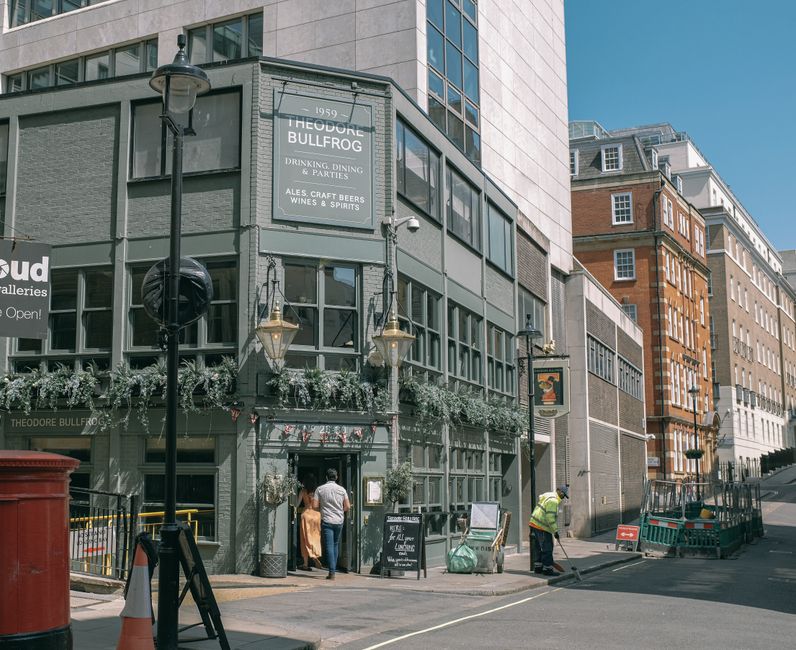
The Bedford pub stain removal cleaning case study Balham
If you have ever walked into a busy pub after a Saturday night and noticed the carpet, upholstery, or hard floor has taken a beating, you will know the problem straight away. Spills happen fast, footfall is constant, and some stains seem to settle in before anyone has even finished wiping the table. This article looks at The Bedford pub stain removal cleaning case study Balham in a practical, human way: what makes pub staining different, how a professional clean is approached, and what a business owner or manager should expect from a well-planned visit.
The Bedford pub stain removal cleaning case study Balham matters because pubs are not like homes. The fabric, traffic levels, and hygiene expectations are all different. You need a method that protects the surface, respects the venue's opening hours, and gives a visible improvement without unnecessary disruption. Let's face it, nobody wants a half-done clean and a damp room that still smells of old drinks by lunchtime.
Table of Contents
- Why The Bedford pub stain removal cleaning case study Balham Matters
- How The Bedford pub stain removal cleaning case study Balham Works
- Key Benefits and Practical Advantages
- Who This Is For and When It Makes Sense
- Step-by-Step Guidance
- Expert Tips for Better Results
- Common Mistakes to Avoid
- Tools, Resources and Recommendations
- Law, Compliance, Standards, or Best Practice
- Options, Methods, or Comparison Table
- Case Study or Real-World Example
- Practical Checklist
- Conclusion
- Frequently Asked Questions
Why The Bedford pub stain removal cleaning case study Balham Matters
Pub stains are rarely just "a mark on the carpet". In a venue like The Bedford, stains can affect first impressions, scent, safety, and even how long furnishings last. A sticky drink spill left too long can darken fibres, attract more dirt, and become harder to remove. Food grease on an upholstered seat is similar: it may look small at first, then spread quietly into the fabric and become a recurring problem.
This case study topic matters for a few reasons. First, it shows the kind of practical thinking needed for commercial stain removal. Second, it highlights how a good clean is about more than appearance. A pub that feels fresh and cared for encourages guests to settle in comfortably. Third, it reminds managers that local cleaning work in Balham often has to fit around service times, staff schedules, and the general hustle of a London hospitality venue.
There is also a business side. When a venue invests in proper stain removal, it can delay replacement costs for carpet, upholstery, and soft furnishings. That is not magic, of course. But it is a solid maintenance habit, and in hospitality those small wins add up.
If the venue also needs broader upkeep, a deep cleaning service can be a sensible companion to stain treatment, especially where residue has built up in quieter corners that staff do not have time to chase every day.
How The Bedford pub stain removal cleaning case study Balham Works
The basic approach is simple, though the detail matters. Good stain removal starts with identifying the material, the stain type, and how long the mark has been there. A fresh beer spill on carpet is treated very differently from a set-in coffee ring on upholstery or a greasy mark on a hard floor.
In a pub setting, the process usually follows a careful sequence:
- Inspection: identify the stain, check the surface, and test the area discreetly.
- Pre-treatment: apply a suitable solution to loosen the stain without flooding the fabric.
- Agitation or dwell time: allow the chemistry to work, or gently work the stain with controlled action.
- Extraction or wiping: remove the loosened residue using the right method for the surface.
- Rinse and finish: clear remaining product, reduce stickiness, and improve drying.
- Final check: inspect edges, pile direction, and any shadowing that may remain.
That sounds straightforward, and in theory it is. The real skill lies in knowing when to stop. Over-wetting a pub carpet can be a headache. It may lead to slow drying, wicking, or a patchy finish that looks worse the next day. A thoughtful cleaner keeps control of moisture and pays attention to the type of fibre and backing underneath.
For many hospitality venues, stain removal is also connected to other finishes. A carpet near the bar may need a different treatment from a soft bench seat or an entrance mat. If the problem extends beyond the carpet, services such as upholstery cleaning and carpet cleaning often work best as part of one plan rather than as isolated fixes.
Key Benefits and Practical Advantages
When done properly, stain removal gives benefits that are easy to see and a few that are easy to miss. The visible part is obvious: the room looks cleaner, brighter, and more cared for. But there is more going on underneath.
- Better customer experience: guests notice if seating and flooring look fresh, even if they never mention it.
- Longer material life: treating stains early can reduce fibre wear and permanent discolouration.
- Improved hygiene feel: a clean-looking surface often changes how the space is perceived, which matters in hospitality.
- Reduced odour retention: drink spills, food residue, and general grime can hold smells if left untreated.
- Lower replacement pressure: if a carpet or seat can be maintained properly, replacement can be delayed.
- More flexible scheduling: with a planned clean, the job can often be done outside opening hours. Handy, that.
There is also a morale benefit for staff. People work differently in a room that feels looked after. It is a small thing, maybe, but a clean environment tends to sharpen standards across the board.
Expert summary: the best stain removal outcome usually comes from matching the right method to the right surface, moving quickly, and avoiding heavy-handed cleaning that causes spread, fibre damage, or moisture problems.
Who This Is For and When It Makes Sense
This kind of cleaning makes sense for pub owners, general managers, duty managers, landlords, and venue teams responsible for day-to-day presentation. It is especially useful if the premises sees regular food service, live events, weekend footfall, or private hire bookings.
You might need this kind of intervention if:
- visible drink marks are building up on carpet or seating
- there is a lingering smell after repeated spills
- high-traffic areas are turning dull and patchy
- front-of-house furniture looks tired even after routine cleaning
- you need a one-off reset before an inspection, event, or busy trading period
It can also make sense after maintenance work, especially if dust and tracked-in dirt have made stains look worse than they really are. For venues that need a broader reset, one-off cleaning is often a practical option because it targets a specific mess without committing to an ongoing schedule. If you are already comparing support for the building as a whole, the wider cleaning company approach can be worth exploring too.
Truth be told, not every stain needs a dramatic intervention. Some need a quick, careful response and nothing more. Others need a trained eye because a wrong product will set the mark or leave a halo. That judgement call is what separates a tidy fix from a frustrating one.
Step-by-Step Guidance
If you are planning a pub stain removal job in Balham, a simple process keeps everyone sane. Here is a sensible step-by-step framework.
- Identify the stain type. Is it tannin-based, oily, sugary, or a mixed spill? Wine, beer, coffee, sauces, and grease all behave differently.
- Check the surface. Carpet, fabric seating, and hard floor each require a different approach. Even within carpet, fibre type matters.
- Test a small spot. A discreet test can reveal colour transfer or fibre sensitivity before a full treatment starts.
- Remove loose debris first. Crumbs, dried residue, and grit should be lifted before any wet treatment. Otherwise you just push mess around.
- Apply targeted pre-treatment. Use the lightest effective method and give it time to work.
- Work carefully from the outside in. This helps limit the spread of the stain.
- Extract or blot properly. Rubbing is usually the wrong instinct. Blotting and extraction are safer for most surfaces.
- Rinse where needed. Residue can attract dirt later, so a clean finish matters.
- Dry efficiently. Air movement and sensible timing help reduce downtime.
- Review the result. If there is shadowing left behind, it may need a second pass or a different method.
A pub clean is rarely just about one stain. Often the affected area sits beside other worn sections, so teams may pair stain removal with a broader service such as office cleaning for back-of-house spaces or hard floor cleaning where drinks and foot traffic meet. Different room, different challenge.
Expert Tips for Better Results
Here are a few practical tips that make a real difference in hospitality cleaning. None of them are flashy. All of them matter.
- Act early. Fresh spills are far easier to remove than dried ones. Even a short delay can make the job harder.
- Keep the chemistry gentle at first. Stronger is not always better. Start with the least aggressive effective option.
- Mind the pile direction. On carpet and fabric, the direction of fibres can change how a stain looks after cleaning.
- Avoid soaking the backing. Too much moisture can create odour, slow drying, and wicking later on.
- Use clean cloths frequently. A dirty cloth just re-deposits grime. Not ideal, obviously.
- Watch for traffic lanes. The same route across a room can make cleaned areas look uneven if the adjacent section is ignored.
- Plan around trade. In busy venues, a quiet morning or a closed period is often the best slot.
If the problem area includes entrance mats or repeated spill zones, prevention matters as much as cleaning. In our experience, a few minutes spent protecting the worst spots can save hours later. That is especially true in Balham, where wet weather and constant foot traffic can drag dirt indoors very quickly.
Common Mistakes to Avoid
Some cleaning mistakes are small and fixable. Others are annoyingly expensive. The usual ones are easy to spot once you know what to look for.
- Scrubbing too hard: this can spread the stain and damage fibres.
- Using the wrong product: a chemical suitable for one stain can worsen another.
- Ignoring fabric type: upholstery, wool, synthetic carpet, and sealed floor finish all behave differently.
- Over-wetting the area: more water does not equal better cleaning.
- Skipping the test patch: this is how colour loss and patchiness happen.
- Leaving residue behind: residue attracts fresh dirt, so the stain comes back looking dull again.
- Trying to rush drying: if the room is used too early, the result may look blotchy or smell damp.
One common issue in pubs is the temptation to "just do a quick fix" before service. Fair enough, everyone is busy. But quick fixes can leave a stain edge visible under bar lighting, and those lights are not forgiving. If there is one thing hospitality lighting does well, it is exposing unfinished work.
Tools, Resources and Recommendations
A professional approach uses a combination of tools, not a single miracle product. The exact kit depends on the surface and stain type, but the basics usually include:
- microfibre cloths and absorbent towels
- spotting tools or gentle hand brushes
- appropriate pre-treatment solutions
- extraction equipment for fabric and carpet
- protective gloves and suitable safety gear
- drying aids or air movement where appropriate
- inspection light for spotting shadowing and residue
For venues that want a more complete refresh, combining stain treatment with carpet cleaner support, sofa cleaning, or even window cleaning can improve the overall feel of the premises. It is often not one big issue that makes a place feel tired. It is a handful of small ones at once.
From a planning perspective, it is also worth keeping a record of repeated stain hotspots. Entrance areas, around the bar, and near seated dining sections usually need the most attention. That record does not need to be fancy. A simple note on a clipboard does the job, and sometimes the old-fashioned way is best. Shocking, I know.
Law, Compliance, Standards, or Best Practice
For commercial cleaning in the UK, the main concern is usually safe practice rather than a single special rule for stain removal. The practical expectations are straightforward: cleaners should use products responsibly, manage slip risks, and take care not to damage the premises or create avoidable hazards for staff and guests.
In hospitality settings, good practice normally includes:
- using suitable PPE where required
- following product instructions and dilution guidance carefully
- keeping treatment areas controlled and clearly managed
- making sure floors are left safe and not slippery
- checking that ventilation is adequate during and after cleaning
- protecting electrical fittings and nearby furnishings from moisture
For a business, insurance and safety awareness matter too. If a contractor is working in a live pub environment, the team should understand access, hazard control, and how to work without causing disruption. A good place to review that mindset is the site's own health and safety policy and insurance and safety information. These pages do not replace a proper site risk check, but they do signal the sort of careful approach a client should expect.
Good best practice also means honest boundaries. If a stain has permanently dyed the fibre, or the backing has been damaged, a cleaner should say so plainly. That honesty is part of the service. No drama, just clarity.
Options, Methods, or Comparison Table
Not every stain or surface needs the same treatment. Sometimes the most useful decision is simply choosing the right method before work starts.
| Method | Best for | Strengths | Limitations |
|---|---|---|---|
| Spot treatment | Small, localised stains on carpet or upholstery | Quick, targeted, low disruption | May not suit large or deeply set marks |
| Hot water extraction | Carpet and some fabric seating | Removes residue well and refreshes fibres | Needs drying time and careful moisture control |
| Encapsulation or low-moisture methods | Busy commercial areas with limited downtime | Faster drying, practical for high-traffic spaces | Not always ideal for severe staining |
| Manual fabric cleaning | Upholstery and delicate seating | Good control over pressure and product use | Slower on bigger areas |
| Hard-floor detailing | Spots on sealed floors and entrance zones | Useful for sticky residue and tracked marks | Needs correct finish-specific products |
For some venues, the best answer is a combination method rather than a single technique. A pub might need carpet stain treatment in one section, upholstery refresh in another, and a final pass on the entrance floor where grit and spilled drinks have collected.
Case Study or Real-World Example
Here is a realistic example based on the sort of work a Balham hospitality venue might need.
A pub team notices several problem areas after a busy weekend: drink marks near seating, grease splashes on a fabric bench, and general dulling in the carpet close to the bar. The front-of-house area still looks decent at a glance, but under brighter light the stains are obvious. That is the tricky bit, really. The room is "fine" until it is not.
The cleaning plan begins with a survey of the affected spots. The team identifies which marks are fresh and which ones have settled in. The carpet area gets a focused pre-treatment and extraction method, while the bench seating receives a gentler upholstery clean with controlled moisture. The hard floor near the bar is finished separately to remove residue and sticky patches.
The result is not a magical transformation into a brand-new venue. That would be unrealistic. But the room looks more presentable, smells fresher, and feels less worn. The biggest win is probably the consistency: the cleaned areas blend back into the room instead of standing out as awkward patched spots.
That kind of outcome matters because guests do not usually study the cleaning process. They just notice whether the space feels cared for. And if it does, they settle in more easily. Simple as that.
For venues with broader maintenance needs, a nearby commercial space may also benefit from office cleaners or routine domestic cleaning style upkeep in staff or residential-adjacent spaces, though the methods should still be matched to the setting. Different environment, different standard.
Practical Checklist
Before you book or approve stain removal work, use this quick checklist.
- Identify the problem areas clearly.
- Note whether stains are fresh, repeated, or long-set.
- Check the surface type: carpet, upholstery, or hard floor.
- Ask what method will be used and why.
- Confirm how drying time will be managed.
- Make sure the visit fits your trading hours.
- Protect nearby stock, equipment, and furniture.
- Discuss any odour concerns upfront.
- Review insurance and safety expectations.
- Ask about what happens if a stain cannot be fully removed.
That last point matters more than people think. A good cleaner should be realistic about what can and cannot be achieved. If a stain has already changed the dye or fibre structure, the aim may be reduction rather than total erasure. Honest expectation-setting saves a lot of disappointment.
Conclusion
The Bedford pub stain removal cleaning case study Balham is really about practical hospitality care. It shows how careful stain removal can protect the look, feel, and lifespan of pub interiors without turning the job into a disruptive project. The best results come from identifying the stain correctly, matching the method to the material, and working with the rhythms of the venue rather than against them.
If you are responsible for a pub, bar, or hospitality space in Balham, the key lesson is simple: deal with stains early, choose the right treatment, and think beyond the visible mark. A clean room feels calmer, more welcoming, and frankly easier to manage. That is worth a lot on a busy week.
Get a free quote today and see how much you can save.
And if the place looks a bit tired overall, do not beat yourself up. Most venues need a proper reset from time to time, and once you get that fresh baseline back, everything else becomes easier.
Frequently Asked Questions
What makes pub stain removal different from normal carpet cleaning?
Pubs usually have heavier footfall, more mixed stains, and a faster turnover of spills than a domestic setting. That means the cleaning method has to be more targeted and more careful about drying time, residue, and surface protection.
Can all stains be removed completely?
Not always. Fresh stains often respond very well, but older marks may have dyed the fibres or caused lasting damage. A professional clean can still reduce their appearance a great deal, even if full removal is not possible.
How quickly should a spill be treated in a pub?
As soon as possible. The longer a spill sits, the more likely it is to spread, darken, or sink deeper into the fibres. Even a short delay can make a difference.
Is it safe to clean upholstery and carpet in the same visit?
Yes, provided the methods are chosen separately and the cleaner understands each material. In fact, it is often more efficient to treat both in one visit if the venue needs a broader refresh.
Will the pub need to close during cleaning?
Not necessarily. Many stain removal jobs can be scheduled outside trading hours or during quieter periods. That said, the area being treated may need to stay out of use until it is dry and safe.
What should a manager ask before booking stain removal?
Ask what surfaces will be treated, which method will be used, how long drying may take, and whether the contractor carries appropriate insurance. Clear answers are usually a good sign.
Does stain removal help with smells as well as marks?
Often, yes. Spills and residue can contribute to stale or sour odours, especially in fabric and carpet. Removing the source of the smell usually helps the room feel fresher.
What is the biggest mistake people make with drink stains?
Scrubbing too hard is probably the classic one. It can spread the stain and damage fibres. Blotting, controlled treatment, and patience usually work better.
How do you treat grease marks on seating or soft furnishings?
Grease usually needs a product and method that break down oily residue without saturating the fabric. The exact approach depends on the textile and the age of the stain, so a test patch is important.
Are commercial cleaning services useful for one-off resets?
Absolutely. A one-off service is often ideal when a venue needs a fresh start before an event, inspection, or busy period. It can be a sensible way to tackle a cluster of stains without setting up a routine schedule.
What should I do if a stain reappears after cleaning?
This can happen if residue wicks back up as the surface dries. It does not always mean the original clean failed. A follow-up inspection and, if needed, a second treatment may be required.
How do I know whether I need carpet cleaning or upholstery cleaning?
It depends on where the problem is. Floor-based marks and traffic lanes usually point to carpet treatment, while bench seats, sofas, and upholstered booths call for fabric-focused cleaning. If both are affected, both may need attention.